
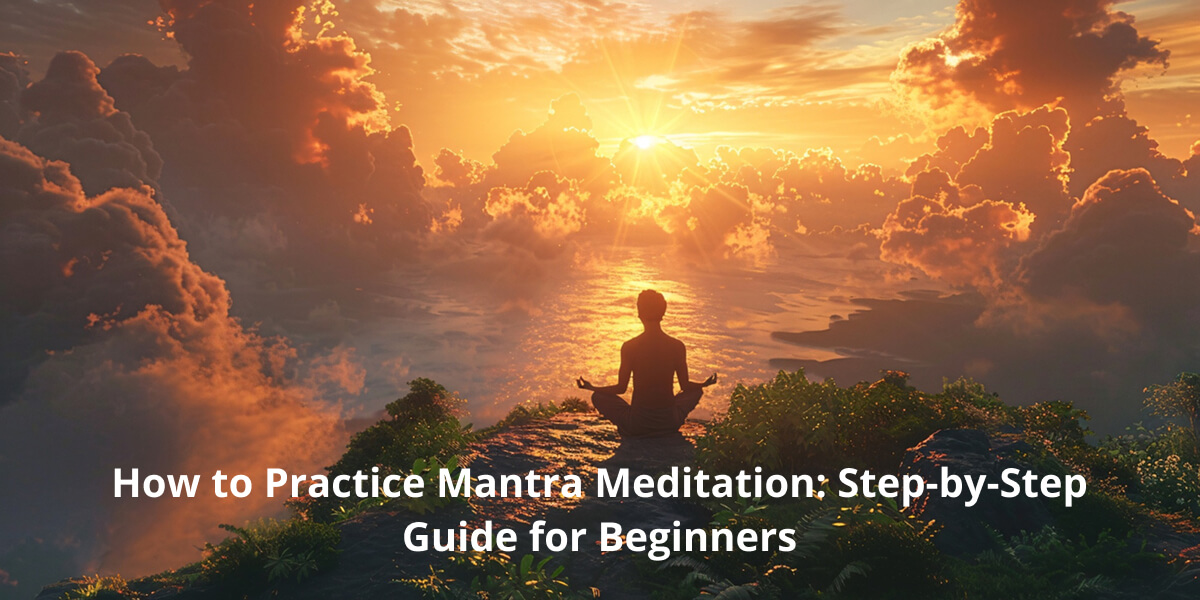
How to Practice Mantra Meditation: Step-by-Step Guide for Beginners
Table of Contents
Mantra meditation is one of the simplest yet most powerful ways to quiet the mind and deepen focus. It involves repeating a word, phrase, or sound — known as a mantra — to help you stay centered and present. The steady rhythm of the mantra anchors your thoughts, making it easier to let go of distractions and enter a calm, meditative state.
For beginners, mantra meditation is exceptionally constructive because it gives the mind something concrete to devote effort to something. Instead of fighting meandering concepts, you can kindly return your consideration to the sound and vibration of your preferred chorus of song.
With routine practice, chorus of song contemplation can help humiliate stress, embellish mindfulness, and cause a deeper sense of harmony to your everyday growth. It’s smooth to start and doesn’t demand some special finishes — just a quiet room, an open mind, and your breath.
What Is Mantra Meditation?
Mantra meditation is a form of meditation that uses the repetition of a word, phrase, or sound — called a mantra — to focus the mind and cultivate inner stillness. The word mantra originates from Sanskrit, meaning “a tool of the mind,” highlighting its purpose of helping to direct your thoughts and attention toward peace and clarity.
This practice has been used for thousands of years in spiritual traditions such as Hinduism and Buddhism, where mantras are believed to carry vibrational energy that can influence the body, mind, and spirit. In modern times, people use mantra meditation not only for spiritual growth but also for managing stress, improving concentration, and enhancing emotional balance.
By repeating your chosen mantra — either silently or aloud — you create a steady rhythm that quiets mental chatter. Over time, this simple practice helps you connect more deeply with the present moment and experience a profound sense of calm and awareness.
Related Blog: What Is Mantra Meditation? A Beginner’s Guide to the Practice
How to Practice Mantra Meditation?
Practicing mantra meditation is simple and accessible to anyone, regardless of experience. The key is consistency and mindful repetition — allowing the sound and rhythm of your chosen mantra to gently guide your awareness inward. You don’t need any special equipment, just a few quiet minutes each day and an open heart.
Here’s a step-by-step guide to help you begin your mantra meditation practice:
1. Find a Quiet and Comfortable Space
Choose a calm spot where you won’t be disturbed. It could be a corner of your home, a peaceful garden, or even your office during a break. Sit comfortably — either cross-legged on the floor or on a chair with your back straight — so your body feels relaxed yet alert
2. Set an Intention
Before starting, take a moment to set a gentle intention for your practice. It could be to find peace, increase focus, or release stress. Setting an intention gives your meditation purpose and helps you connect emotionally with the process.
3. Choose Your Mantra
Select a mantra that resonates with you. It can be a traditional Sanskrit mantra like Om, So Hum, or Om Shanti, or a simple affirmation in your language such as “I am calm” or “I am enough.” The mantra should feel natural and positive, creating a sense of calm when you repeat it.
Related Blog: Which Mantra Is Best for Meditation? Top 10 Mantras to Try
H3: 4. Focus on Your Breath
Begin by taking a few deep breaths to settle your mind and body. Allow your breathing to become slow and natural. As you inhale and exhale, feel your body relax and prepare for meditation.
H3: 5. Repeat the Mantra
Start repeating your mantra softly or silently in your mind. Keep a steady rhythm and focus on the sound and vibration it creates. If your mind begins to wander — which is completely normal — gently bring your attention back to the mantra without judgment.
6. Maintain Awareness
Continue this repetition for 5 to 15 minutes. Allow your mind to fully immerse in the experience, feeling each word flow naturally. With time, the mantra becomes effortless, guiding you into deeper stillness.
7. End with Gratitude
When you’re ready to finish, slowly stop repeating the mantra and take a few deep breaths. Sit quietly for a moment, noticing the sense of calm within you. End your session with gratitude for taking time to nurture your mind and spirit.
How Long and How Often to Practice?
When it comes to mantra meditation, there’s no strict rule about how long or how often you should practice — what matters most is consistency. Even a few minutes a day can make a noticeable difference in how calm and centered you feel. Over time, as the practice becomes more natural, you can gradually extend your sessions.
For beginners, starting with just 5 to 10 minutes once or twice a day is ideal. As your focus and comfort grow, you can increase the duration to 20 minutes or more. Morning sessions can set a peaceful tone for the day, while evening sessions help release stress and promote restful sleep.
The key is to make meditation a regular part of your routine, rather than an occasional activity. Practicing daily — even briefly — builds a steady sense of mindfulness and balance that carries into every area of your life.
Benefits of Mantra Meditation
Mantra meditation offers a wide range of benefits that touch the body, mind, and spirit. By repeating a calming word or phrase, you train your mind to focus, reduce inner noise, and connect with a deeper sense of peace. With regular practice, this simple yet powerful technique can transform your mental and emotional well-being.
Here are some of the key benefits of mantra meditation:
- Reduces stress and anxiety: The steady rhythm of mantra repetition helps calm the nervous system and quiet racing thoughts.
- Improves focus and clarity: Enhances concentration by training your mind to stay present and centered.
- Promotes emotional balance: Encourages self-awareness and helps manage negative emotions with ease.
- Boosts positivity and self-confidence: Positive mantras or affirmations can shift your mindset and uplift your mood.
- Deepens spiritual connection: Creates a sense of unity and connection with your inner self or higher consciousness.
- Improves sleep and relaxation: Calms the mind before bed, promoting deeper, more restful sleep.
- Enhances overall well-being: Supports mental, emotional, and spiritual harmony, leading to a more balanced life.
FAQs About Practicing Mantra Meditation
If you’re just starting out with mantra meditation, you may have a few questions about how to practice and what works best. Here are some common FAQs to help guide your journey.
Q1. How long should I meditate daily?
For beginners, 5 to 10 minutes a day is a great place to start. As you become more comfortable, you can gradually increase your practice to 15 or 20 minutes. What matters most is consistency — even a few minutes of focused practice every day can bring noticeable benefits.
Q2. Can mantra meditation help with anxiety?
Yes, mantra meditation is a powerful tool for managing anxiety. The rhythmic repetition of a mantra helps quiet anxious thoughts, regulate breathing, and relax the nervous system. Over time, it trains your mind to stay calm and centered, even in stressful situations.
Q3. Do I have to chant aloud?
Not necessarily. You can chant your mantra softly out loud, whisper it, or repeat it silently in your mind. Each method has its benefits — chanting aloud enhances vibration and focus, while silent repetition encourages deeper inner stillness. Choose whichever feels most natural to you.
Q4. What are the best mantras for beginners?
Simple and soothing mantras are best for beginners. You can start with traditional ones like Om, So Hum (“I am that”), or Om Shanti (“Peace”). Alternatively, you can use short affirmations in your own language, such as “I am calm” or “I am peaceful.”
Q5. Can I create my own mantra?
Absolutely. Personal mantras can be very effective because they carry personal meaning and intention. Choose words or phrases that inspire calm, confidence, or compassion — something you truly connect with. The key is that your mantra feels natural and positive to you.
Conclusion
Mantra meditation is a gentle yet transformative practice that helps quiet the mind, open the heart, and bring peace into your daily life. By simply repeating a calming word or phrase, you can shift your focus inward, release tension, and cultivate mindfulness with ease.
Whether your goal is to reduce stress, improve concentration, or deepen your spiritual connection, mantra meditation offers a simple path to lasting balance and clarity. With regular practice, you’ll discover that peace isn’t something you search for — it’s something you create within yourself.
H2: Awaken Your Inner Calm — Join Mrunal Pawar’s Yoga & Meditation Program
If you’re ready to bring more peace, balance, and focus into your life, guided practice can make all the difference. Under the expert guidance of Mrunal Pawar, you can learn how to combine yoga, breathwork, and mantra meditation to awaken a deeper sense of calm and self-awareness.
Mrunal Pawar’s Yoga & Meditation Program is designed for all levels — from complete beginners to experienced practitioners. Through personalized instruction and mindful techniques, you’ll learn how to quiet the mind, energize the body, and live each day with greater clarity and inner peace.