
What Is Mantra Japa in Yoga? Understanding Repetition, Meditation & Inner Awareness
Table of Contents
Repeating a mantra is one of the oldest yogic practices used to quiet the mind, and honestly it also helps create some inner steadiness that you can feel. In a world full of constant noise, distraction everywhere, it can be kind of strange but true that even a few minutes of sacred sound make it feel like you’re returning home to yourself, not just in theory but in a real way.
Mantra Japa isn’t only repeating words again and again. It’s more like a gentle discipline of sound and breath, plus rhythm and awareness , which slowly pulls attention inward and helps loosen the mental clutter, bit by bit.
What Is Mantra Japa in Yoga?
Before mantra japa turned into a practice, it was kind of like… first, a way of listening. In yoga sound isn’t just something you hear, it’s something you come back to over and over, until the mind starts feeling more quiet inside itself, not in a dramatic way, more like slowly. And unlike loud rituals or shows, japa is deeply personal. One word— repeated with care, can start to feel like breath itself. steady, grounding, and honestly a bit soothing after a while.
Definition of Mantra Japa
Mantra japa is the repeated recitation of sacred sounds, words, or even little syllable bits in yoga. This repetition can be spoken softly, whispered under your breath ,or practiced silently in the mind. It’s not really about saying it perfectly or getting every detail right. Instead it’s about staying with the sound, as it is. Over time the mantra starts acting like a rhythm, something the mind can lay down on.
Meaning of the Word “Japa”
“Japa” is a Sanskrit term, and it’s usually understood as repeating something with awareness, with devotion too. It’s not the mechanical, autopilot kind of repetition, but a continuous returning of attention. In yogic tradition, each round carries intention. Even a simple mantra, when repeated with sincerity ,is said to help shape the inner atmosphere of the person chanting it.
Why Repetition Holds Importance in Yoga
The mind naturally bounces from one thought to another. Repetition gives it one steady place to return to , so the mental clutter settles bit by bit. Japa also trains patience and discipline. Kind of like breathwork or meditation, it works in a quiet manner, over time through consistency, not through force.
Difference Between Japa and General Chanting
Japa is generally more inward, and kinda repetitive, it usually leans on one mantra, repeated continuously with a steady concentration, like it is pulled inwards. For many people it feels meditative, even intimate, personal, and a bit quieter, not so much dramatic. General chanting can be more expressive, maybe even more devotional, and sometimes it is done together in a group.
The Meaning and Purpose of Mantra Repetition
Before mantra repetition turned into a sort of “practice”, it was really just a simple way of coming back to yourself, again. In yogic traditions, sound isnt there to just fill the silence, it’s more like a gentle pointer, guiding the mind back when it starts wandering off , a little too far. A mantra ends up feeling familiar, almost like breath, repeated so many times that it gradually sinks into the body, not all at once, but slowly.
How Repetition Affects Mental Focus
A restless mind jumps constantly, from memory to worry to little unfinished bits of thought. When you repeat a mantra, the mind gets one plain place to return to, again, and again without trying to force it. The sound can start acting like a thread through all the noise. Even if you’re distracted, you may slowly notice your attention gathers, one recitation at a time.
Mantras as Tools for Inner Awareness
A mantra is not only something you say. It’s also something you begin to listen to. The more it repeats, the more you notice your own breathing, your thoughts, your inner weather, so to speak. In quiet moments, the sound makes room inside. Not emptiness, exactly , more like a softer awareness, and suddenly you feel present in your own body once more.
The Importance of Intention in Japa Practice
Japa loses its meaning if it turns into only counting beads, or rushing through words like it’s a task to get over with. The tradition has always valued attention, more than speed. Even one honest repetition can land deeper than a hundred distracted ones. The mantra seems to meet awareness, not performance.
Why Yogic Traditions Emphasize Consistency
The mind does not get quiet in just one sitting. Some days, during japa, thoughts keep running around everywhere, work worries, old conversations , unfinished things. Even so, the practice is still asking you to come back, not because you are some kind of perfect at it, but because coming back, slowly changes something inside… even if it feels minor at first.
That is why yogic traditions often place steadiness above push. A mantra, repeated each day even for a few calm minutes, starts to sink into the breath and the body. Little by little, the mind begins to recognize that sound like a known track home.
Different Types of Mantra Japa Practices
Mantra japa isn’t only about repeating sacred words again and again. It’s also about how the sound travels through the body, rides along the breath, and then kinda settles down in the mind. Some chants get said out loud like a river. Others are so faint, that they feel almost like they don’t really count as spoken, more like held as a thought, anyway.
Vaikhari Japa (Audible Chanting)
Vaikhari japa is usually where most people start. The mantra is spoken clearly with the tongue , breath, and ears all involved at once. The vibration fills the air and it helps keep the mind from drifting too far. In a lot of homes and temples this chanting becomes part of the morning atmosphere. The rhythm sort of smooths the body, slowly and steady, like taking steps barefoot on old familiar ground, with no rush.
Upanshu Japa (Whispered Repetition)
Upanshu japa, or whispered repetition , makes the mantra feel somehow lighter. Like it turns into a small whisper, just a step above breathing, not really “projected” anywhere. This practice often brings a gentle closeness and quiet rest too. And the moment the chant gets more subtle, the mind seems to start listening much more carefully, almost like it’s paying attention from inside.
Manasika Japa (Mental Repetition)
In manasika japa, the mantra is never said aloud. It stays silent on the inside, repeating in mind only, with no movement of the tongue. This path asks for real steadiness because there is no sound to lean on. Still, many people notice it feels the most intimate, where the mantra is less like speech and more like being there, presence rather than phrase.
Mala Japa Using Prayer Beads
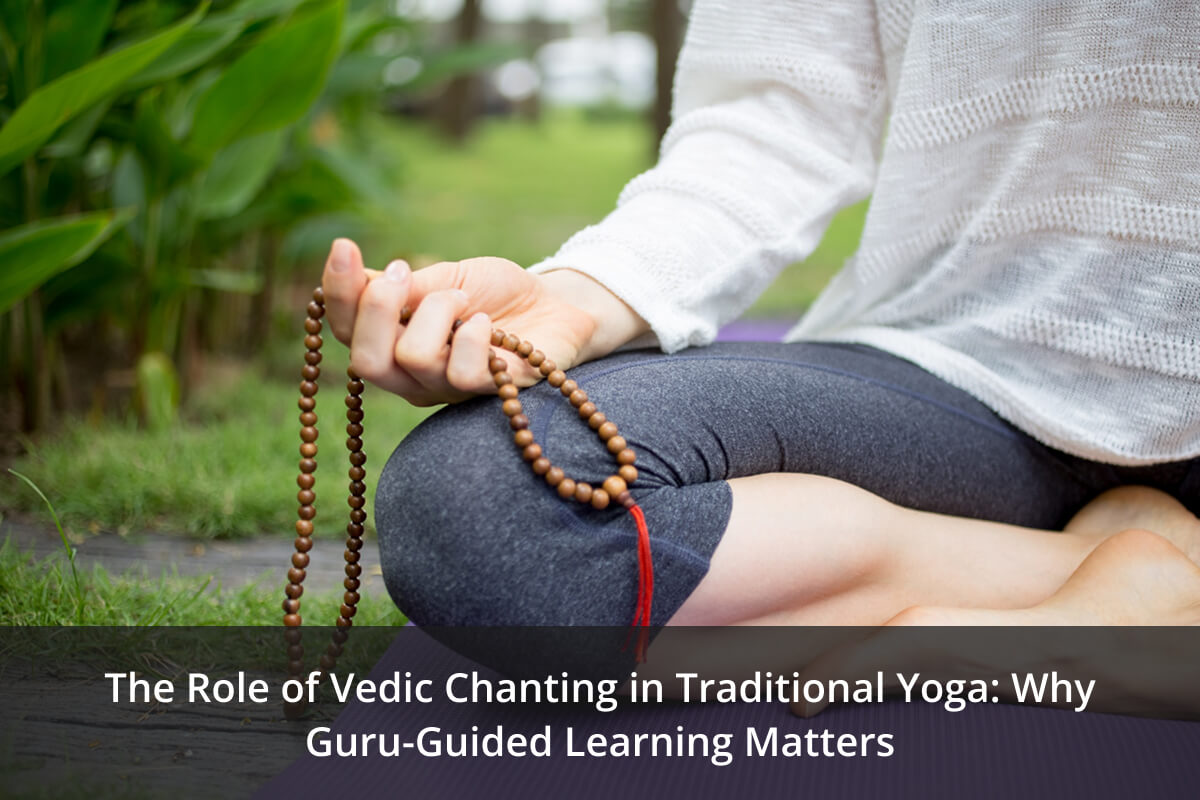
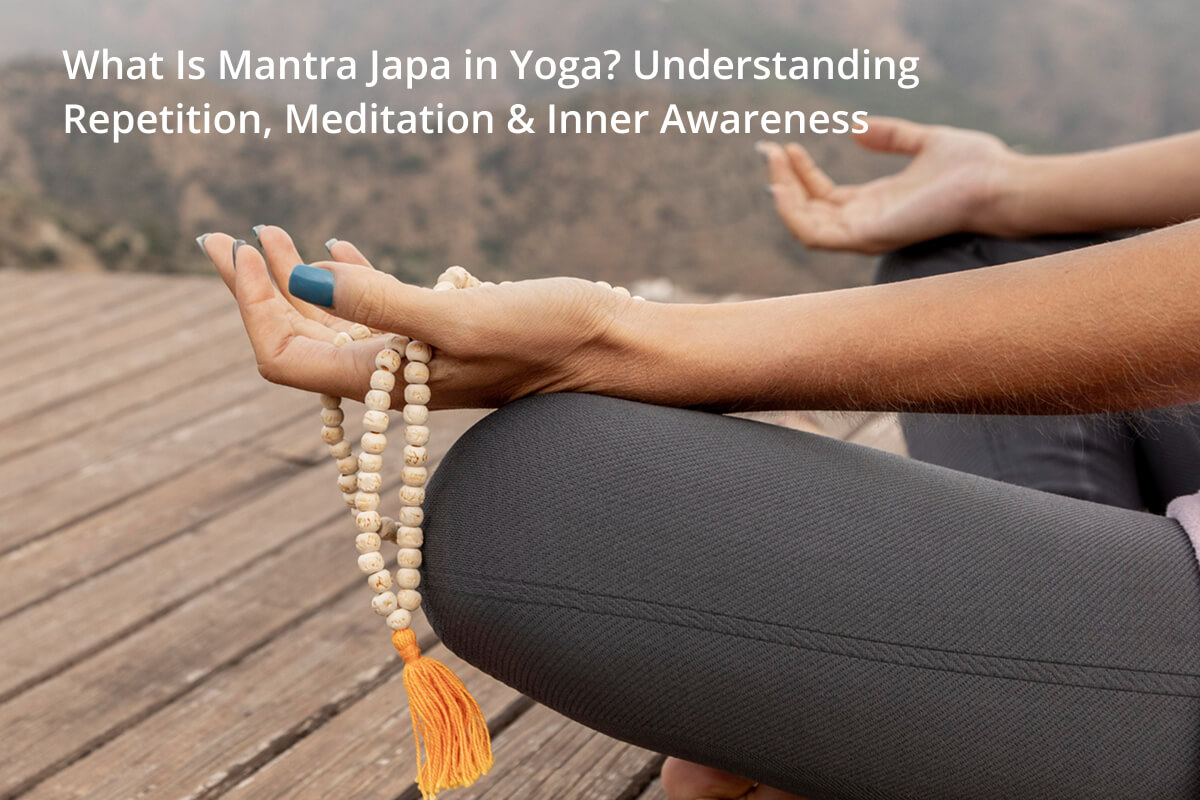
Mala japa brings the hands into the picture. Each bead marks one repetition, and that gives the mantra a steady rhythm the fingers can recall even when the mind wanders a little. The gentle turning of the beads builds patience. One bead , one breath, one mantra at a time. Small movements that, little by little, quiet the rough noise of the day.
How Mantra Japa Supports Meditation and Mindfulness
Mantra japa kinda helps meditation and mindfulness in a calm way. It doesn’t really make the mind go fully silent, not like you can just tell it to. Instead it gives the mind this gentle thing to come back to. One sound, repeated slowly, becomes a small spot of rest, inside all that other noise. Over time the same repetition starts shifting the rhythm of attention itself. Breathing gets softer, thoughts loosen up, and the mind stops sprinting quite so fast after everything.
Using Sound as a Meditation Anchor
A mantra can work like a thread, like in the dark. Every time attention drifts away, the sound pulls it back again, with no judging, no extra pressure.
Honestly the nice part about japa is how simple it is. You don’t have to fight your thoughts. You just return— again and again— to the mantra, which is waiting quietly there in the breath.
Reducing Mental Noise Through Repetition
Most of the time the mind feels full. It has unfinished conversations, quiet worries, and those restless loops that never end. With repetition, that inner motion slows down a little at a time. Then at some point the mantra begins to blur the sharp edges of thought. Not in the sense that thoughts vanish, but more like they gain a steadier beat to follow.
Building Present-Moment Awareness
Japa sort of keeps attention stuck, right on the present moment. The sound, the breath, the way the words feel on the tongue all of it drags awareness back, to now, again and again, almost like it has a magnet. And you know, even a few minutes of steady chanting can help a person notice things more clearly . Like the body settles, the breath goes deeper, and the mind starts getting a little less scattered, less noisy.
Similarities and Differences Between Japa and Meditation
Japa and meditation they both ask for attention, patience, and stillness. They train the mind slowly to stop drifting so far away from itself. Sometimes it feels like the same inward work, but with different tools, you know
Still, japa leans on repetition as its path. Rather than staying in silence, the practitioner moves through sound, like one mantra at a time, until that repeating rhythm becomes quiet inwardly. It’s a kind of practicing, almost like the voice turns into inner steadiness, even if the mouth is not speaking anymore.
The Connection Between Breath, Sound & Awareness
In Vedic chanting, breath is not really separate from sound. The mantra just moves the way the breath allows, and not more. It’s kind of like, if the breath is steady , the sound stays steady too. When the breath settles, the mind slowly comes along , after it, almost lazily. The old teachers never pushed the chant, never made it go faster. They listened, carefully, to that pause between syllables , and also to the quiet after the sound has faded. Awareness was made right there, not only in the words but also in the breathing that carried them, bit by bit.
Synchronizing Mantra with Breathing
A mantra will find its own rhythm if it’s said with the breath, not against it. The body stops forcing the sound, and the whole chant starts feeling softer, a bit rooted , grounded in a way you can sense. With every repeated line, breath turns slower without having to make it happen. The mind gets less room to drift off, and calmness shows up in a quiet way, almost unannounced, like it slipped in through the side door.
How Chanting Influences Breath Length
In Vedic chanting, exhalation can sort of stretch a little, without strain really. Some syllables, it feels like they kind of ask the breath to stay around for a bit longer, so the body lets air go more slowly and more evenly too. After a few minutes, breathing stops feeling sharp or rushed.
Breath Awareness in Yogic Practice
In yogic tradition, breath is prāṇa, the living force that keeps moving through the body and it really matters. Paying attention to your breath is also , kind of like paying attention to the mind itself, because they keep mirroring each other, back and forth. In chanting and in that whole practice, awareness comes back again and again to breathing . That small noticing habit kinda builds steadiness, like returning the mind back into this present moment, right here even if it starts to drift off somewhere else.
Why Controlled Breathing Supports Mental Clarity
When your breathing gets controlled, more even, the nervous system sort of eases down. Not instantly but gradually, like a soft dimmer. Thoughts start to lose some of their noise, and the head feels less packed in a way. That is also why chanting, quite often leaves someone feeling a bit lighter after. Not because the problems vanish or magically go away, it is more that the body and the mind stop tugging in different directions for a while.
Benefits of Mantra Japa for Mental and Emotional Well-Being
Mantra japa doesn’t really force the mind into silence. More like it gives the mind, something soft to come back to. One sound, repeated again and again, with breath and attention, and somehow it gathers the day’s scattered bits slowly, like they finally remember where they belong. In older traditions, chanting was never treated like some kind of performance. It felt more like companionship
Reduced Stress and Mental Restlessness
Some days the mind keeps re playing everything, long after the day is over. A mantra jumps in and interrupts that endless circling, very gently , without force, like it knows you’re already worn out. As the sound keeps going, the breath sort of loosens, slowly. Shoulders drop, and not in a dramatic way.
Enhanced Concentration and Clarity
Attention today fragments very quickly,like a page tearing. A mantra trains the mind to remain with one thing, instead of always reaching elsewhere. Over time, even just a few minutes of japa can make thoughts feel less tangled. Decisions start sounding calmer, clearer , and less pushed by hurry.
Better Mindfulness and Self-Awareness
Mantra japa brings a person back to the present in a very bodily way — through breath, sound, and listening. You start noticing how restless the mind is, how fast feelings rise, and how silence actually feels. That awareness grows gradually, without pressure ,or any harsh demand.
Deeper Sense of Calmness
The calmness from mantra japa isn’t sudden or flashy. It comes in slow, like evening light entering a room bit by bit, step by step. Sometimes the peace only lasts while you’re chanting. Sometimes it hangs around longer. Either way, the nervous system seems to remember that stillness, even if life gets loud again right after.
Increased Inner Stability
Life changes constantly, and not always softly. Mantra japa becomes one small rhythm, something steady that stays put even when everything else shifts. On difficult mornings the words might sound tired or a little broken. Still, repeating them can remind you, when everything feels uncertain, you haven’t fully lost your center, not completely.
The Spiritual Perspective Behind Mantra Repetition
Repeating a mantra was never really meant to be this loud performance. It felt more like something quieter, almost intimate, like you’re just sitting there with sound until the mind kinda softens up around it. In a lot of yogic lines of thought, sound is treated more like presence than it is language, and somehow that changes everything. A mantra gets repeated, not because the Divine has a memory gap, but because people do.
Understanding Sacred Sound in Yogic Traditions
In yogic understanding, sound isn’t really separate from creation itself. There are certain syllables that are said to carry energetic rhythms which then influence the body, the breath, and attention in these subtle ways. Even before you understand the meaning, the sound is felt first, almost like a signal. That is also why older chants were kept with so much care. A mantra wasn’t treated like poetry only. It was more like vibration shaped carefully through breath, tone and repetition , held together in a patient way.
The Concept of Nada (Inner Sound)
Nada is basically the inner sound, that quiet vibration said to be underneath ordinary noise and ordinary thoughts. Yogis believed that if the mind gets still enough, a person can start to notice that gentle current moving inside. It’s less like hearing music, and more like sensing aliveness, plain and direct.
Vibrational Awareness and Consciousness
Mantra practice changes not only the voice. Over time, people start to notice these small moves, in breathing, feelings , and general awareness. The repetition brings a kind of cadence, not, loud or too dramatic, but it gently anchors the nervous system , and it hushes the mental mess that’s been sticking around. Feels a bit like, the mind relaxes its hold, without a lot of trying .
Why Mantras Are Traditionally Practiced with Guidance
Traditionally, mantras were learned from a teacher because sound and pronunciation carry real importance. Even a slight change in tone, could shift the feeling, and the intention behind the chant itself. Still, guidance was never only about doing it “right”. It was also about presence learning when to pause , how to breathe, and how to let the mantra settle naturally instead of forcing it, too much.
Traditional Roots of Japa in Yogic Philosophy
Japa was never really meant to be loud or all that dramatic. It started in kind of quiet spaces, where the sound was repeated slow, until it sort of settled in breath, memory, and ordinary daily life. In yogic thinking, repetition wasn’t a way to run away, no, more like a way to stay tied to something steady, something that doesn’t wobble. Long before books even carried these ideas, people carried them in their voices. A mantra would be learned by listening, repeating, then letting it go, and somehow learning again.
Ancient Oral Traditions and Guru-Shishya Parampara
Mantras were shared from teacher to student through careful listening , and then repeating with patience. Learning wasn’t instant, it happened slowly, through closeness, trust, and years of ongoing practice.
References to Japa in Yogic and Vedic Texts
Japa references in yogic and Vedic writings, are often described kind of as a soft practice meant to keep the mind from wandering. In older texts , people repeat sacred sounds as if it was a steadying lever, and it was said that insight would awaken bit by bit, and then a quieter inner feeling would show up, slowly … over time.
Importance of Pronunciation and Rhythm
In Vedic chanting, the way the mantra is spoken really makes a difference. The timing, the small pauses, the tone or pitch , they form something like a flow, and then mind and breath can travel together more smoothly, without so much friction.
The Role of Discipline in Yogic Practice
Japa is simple, but it still asks for discipline. Even just a few minutes of daily chanting can build patience, improve focus, and give a quiet sense of inner grounding , bit by bit.
How to Practice Mantra Japa as a Beginner
Mantra japa it does not ask for perfection. It only asks that you come back, again and again, to one single sound with honesty, and attention. Even a few quiet minutes each day can start to alter the texture of the mind… maybe not all at once, but it begins.
Choosing a Simple Mantra
Try a mantra that feels gentle, and simple to repeat, something the mind does not fight against. “Om,” “So Hum,” or “Om Namah Shivaya” are often enough for a new beginner. Do not stress too much about getting the “perfect” mantra
Creating a Quiet Practice Space
The space does not really need to be special, or beautiful. A small corner, a mat, or even the side of a bed can slowly become, kind of sacred through repetition, without fanfare. Morning silence helps because the world has not fully stepped into the mind yet.
Using a Mala for Counting Repetitions
A mala keeps your hands occupied so the mind can soften into the sound. One bead, one repetition, like footsteps moving slowly in the dark, steadily. After some days, the fingers begin to remember the rhythm themselves. Then the counting goes quiet, and only the mantra remains.
Maintaining Consistent Daily Practice
Japa seems to grow by doing it regularly more than by pushing it super hard. Like, ten real minutes each day can have more weight than that one hour that felt kinda distracted Some mornings will be oddly calm, other times restless. Yet still, when you sit down every day, the mind starts learning that the mantra has a place in your life ,and it is not just a passing thing
Starting with Short Sessions
Just begin easy, don’t try to force a long stretch right away. Five minutes, or ten, is plenty. The mind can settle without feeling dragged or burdened When the session ends on its own, stop there. Japa is going to deepen in a slow way, more like dawn comes in, not all at once, more like one breath at a time
Common Mistakes to Avoid During Japa Practice
Japa is simple, but the mind sometimes turns it into some kind of act. The mantra is not about chasing perfection either. It is more like, asking for presence… fully here, not later. A few small habits can quietly pull the practice away from stillness. Not wrong, just easy to miss, once the rhythm gets too automatic, and you stop checking in.
Repeating Without Awareness
Sometimes the lips keep moving while the mind goes somewhere else entirely. The mantra turns into background sound instead of a living tone, kind of numb, and it feels “ fine” even if nothing is really felt.
Focusing Only on Speed or Numbers
Counting has its place, sure, but rushing through the beads can make the practice feel mechanical. A mantra spoken in haste tends to lose its warmth. Like it is running, not resting. The older teachers often cared more about steadiness than speed. The sound should settle into the body, not zip past it.
Ignoring Breath Coordination
Breath and mantra are meant to move like two feet walking together, in that same pace. When the breathing gets strained, the chant also gets restless, even if you don’t realize it right away. When breath stays calm the mind usually softens. Often the mantra becomes clearer the moment you let the breath slow down a little, without forcing.
Practicing Inconsistently
Japa grows through rhythm, not intensity. One quiet round every day, tends to carry more power than doing long practice once in awhile and then disappearing. Also, the mind starts to recognize a familiar silence once you return at the same hour each day. It kinda waits for you.
Overcomplicating Mantras Early On
Many beginners keep looking for difficult mantras, perfect pronunciation, or some hidden method. In that looking, they can forget to just sit and chant, plain and simple. A simple mantra repeated with sincerity can open more than complicated words spoken with tension, even if nobody else understands what you are doing.
Who Can Benefit Most from Mantra Japa?
Before people call it a spiritual practice, mantra japa usually begins in some pretty ordinary moment, you know. Someone feels tired, restless, and kind of stuck with their thoughts. They can’t really slow down, so they start repeating a sound just to feel a little steadier inside, even if nothing “big” happens. Here’s the strange part: the mantra does not flip everything overnight.
Beginners Exploring Meditation
For beginners, sitting quietly can feel harder than it should. The mind jumps everywhere, and you’re like, why is this so loud. Mantra japa helps because the repetition gives you something simple to come back to, without having to force anything.
Individuals Managing Stress and Anxiety
Some days the mind keeps running even when the body is exhausted. Mantra japa can feel like holding onto a railing while everything inside is moving too fast. The repeated sound, along with the breath, creates a small sense of steadiness.
Yoga Practitioners Seeking Mental Focus
A lot of yoga practitioners notice the body changes first, like flexibility shows up, before the mind actually gets still. Mantra japa helps bring that missing focus into place. When the same phrase is repeated again and again, attention slowly settles down. Over time the practice starts to feel less mechanical, more rooted in you, like it’s connected from the inside instead of just “done.”
Spiritual Seekers Interested in Self-Reflection
Some people arent really chasing answers, theyre more trying to get to know themselves in a way thats kind of honest, but without all those usual little distractions. Mantra japa makes quieter pauses where the mind can finally surface those unspoken things, and somehow you dont feel so alone in them anymore.
FAQs
Before questions arise , the practice itself already starts to work quietly in the background. A sound, repeated with care can steady the breath, soften the mind, and make silence feel less empty . That is why mantra japa has stayed alive for centuries, not as theory but as something people come back to every day Even now, many begin with hesitation and slowly discover that the power of japa is not in doing it perfectly. It is in showing up , voice by voice, breath by breath.
What does Mantra Japa mean in yoga?
Mantra japa means the repeated chanting or silent re saying of a sacred sound or mantra. In yoga, it is less about performance, and more about building a kind of rhythm between breath, mind , and awareness. Over time , that repetition turns calming, almost like the mind learning how to sit still without being pushed.
Can beginners practice mantra japa meditation?
Yes, beginners can start in a simple way, with just a few quiet repetitions each day. There is no need for perfect pronunciation at first, sincerity matters more than speed, or skill, or whatever else Most people grow into the practice slowly , the same way the ear gradually learns a melody it once found unfamiliar.
How long should mantra japa be practiced daily?
Honestly , even five to ten minutes a day can give a kind of steadiness, but only if its done regularly. Some people do japa by going through one mala at a steady pace , while others prefer to just sit and repeat the mantra, almost like resting with it until the mind gets a bit calmer. The main point is this , consistency matters more than long sessions
Is mantra japa different from meditation?
Mantra japa leans on sound, like chanting or quiet repetition, as a steady tether. Meditation of course can happen with silence, no sound at all, or at least very little. In some teachings, japa is kind of treated as a threshold, a doorway that quietly leads into meditation, not just “before” it, but also inside it somehow.
Do I need a mala for mantra japa practice?
A mala can be helpful, it supports counting and gives a consistent tempo, but it’s not strictly required. Plenty of people start using only their breath, or they do a soft repetition inside the mind, without beads at all.
Final Thoughts
As Vedic chanting slowly sort of fades from everyday life, what stays powerful is not only the sound, but the devotion that sits behind it. Even today, one single chant, if spoken with care can make a person feel connected to something far older… and deeper than just themselves.
Vedic chanting survives because people keep speaking it, not because it got locked away inside books. Every generation keeps the sound awake, just by listening carefully and repeating it with sincerity, as if it really matters. Even a chant that is not perfect carries meaning. What counts most is the effort, to remember, to go on, and to pass it forward to someone else.
A child learning a mantra now follows the same rhythm heard ages ago, maybe thousands of years, more or less. That continuity gives Vedic chanting a rare kind of timelessness, like a steady thread. In those repeated syllables, age kind of disappears for a moment. Teacher, student, elder, and ancestor all feel like they are breathing together.