
Signs Your Body Needs Yoga: How to Know When to Start a Practice
Table of Contents
Why Listening to Your Body Matters
Most of the time, your body sends tiny signals first, before a bigger issue even shows up. If you catch those little clues, not just later, but in the moment, you can end up feeling more alive , more even emotionally and generally healthier through regular daily life, you know.
Importance of Body Awareness
Being aware of your body helps you catch changes in energy, mood, or how well you slept, even your appetite, before it turns into something more serious. The more you feel “in sync” with your body, the easier it becomes to notice what it really wants or needs, even when the reasons are not super clear, or kind of hiding in plain sight.
Early Warning Signs of Imbalance
Things like frequent headaches , steady tiredness, restless sleep, or sudden mood changes are often your body giving you this quiet nudge, for attention, not because it wants drama. If you keep brushing off those little messages, over time they can start affecting your physical health and your mind both, and not just once , but again and again.
Preventive Health Approach
Hearing early can keep a small trouble from turning into something bigger later. Small adjustments, like getting real rest, going for more nourishing food, or handling stress at the right time can really shift the whole outcome.
Mind-Body Connection
Your mind and body work like a unit, so stress or emotional strain tends to show up in physical ways. When you feel anxious it can turn into body aches, fatigue, or digestive discomfort and you may not even clock that you’re doing it.
Consequences of Ignoring Signals
If you keep pushing your body cues aside for too long, minor issues can slowly change shape into long term problems. Ongoing stress, burnout, and unhelpful habits can eventually reduce your overall quality of life, and it can start feeling harder to bounce back, than you would expect, or even should.
What Are the Signs Your Body Needs Yoga?
Sometimes your body sort of asks for rest, movement and balance, but in these quiet little ways that are easy to miss. Yoga can help you reconnect the mind with the body , especially when everyday stress and unhealthy routines start messing with your whole well-being, in a way you don’t notice right away.
- Constant fatigue or low energy – You know that constant kinda fatigue or low energy feeling? Like you’re tired even after you think you got enough sleep, it could be that you’re mentally and physically pretty drained. In that case yoga can help with better circulation, steadier breath, and those overall energy levels that come back slowly, but still surely.
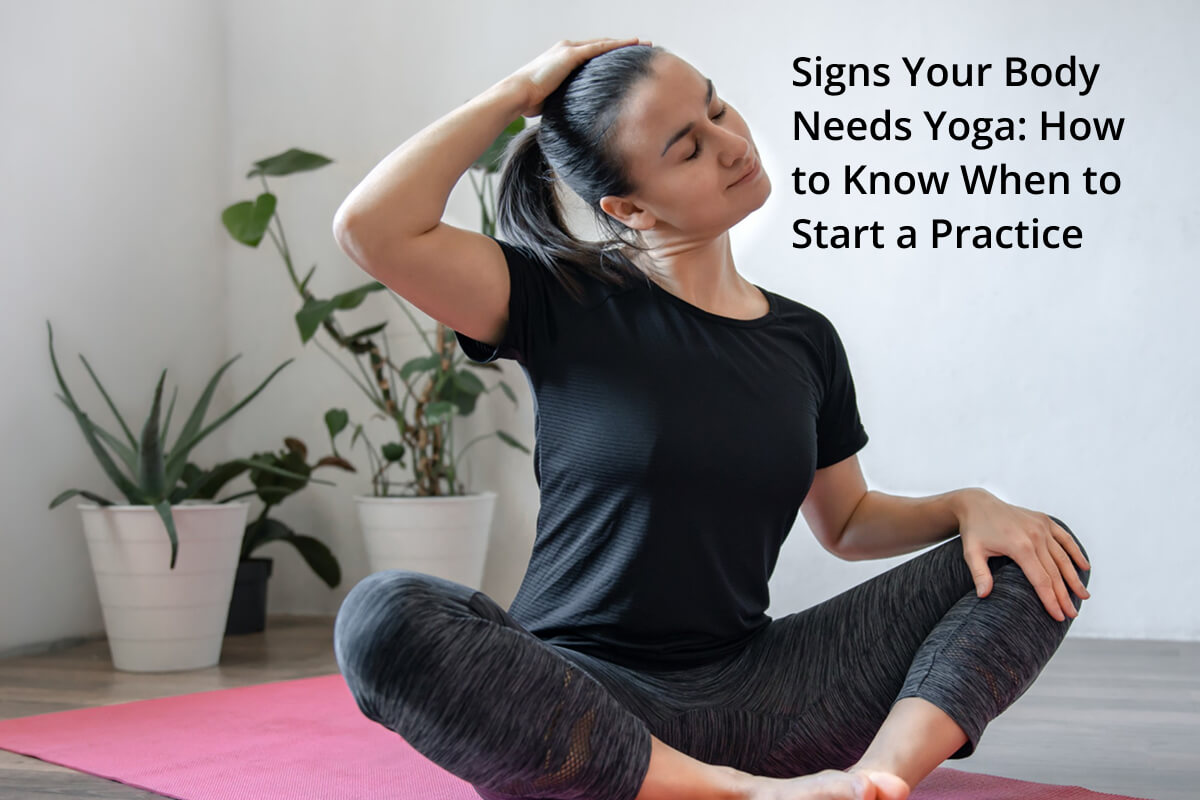
- Frequent stiffness or body pain – If your shoulders feel tight, your back is acting up, or your muscles feel kinda locked, it usually shows up because you’ve been sitting too long and also because you move around less than before. Some gentle yoga stretches can loosen that tension, boost flexibility, and it can be done in a way that doesn’t add more strain to your body.
- High stress or anxiety levels – When stress keeps stacking up it can make you feel restless, overburdened and honestly emotionally worn out. Yoga leans into deep breathing and relaxation too, so your nervous system starts to calm down and the anxiety eases off.
- Poor sleep quality – If you struggle with falling asleep, or you wake up feeling tired again , it can link back to stress and that overactive mind you can’t quite switch off. If you practice yoga regularly, the body learns how to downshift into rest mode more easily, and it makes space for deeper , more restful sleep.
- Lack of focus and mental clarity – If concentrating feels difficult, or you can’t stay mentally here, your mind may be asking for a real break from constant pressure. Yoga combined with mindful breathing can improve focus, clarity, and even emotional equilibrium in daily life .
Physical Signs You Should Start Yoga
You know, sometimes the body starts feeling sort of “off” before we actually stop and really notice it. Like, not even in a dramatic way, just small cues ,tight muscles ,low energy, or those constant aches that keep showing up. Those can mean your body is asking for more motion, gentle stretching, and a bit of attention. Yoga, well it can bring that whole balance back slowly, in a kinder sort of way.
Stiff Muscles and Reduced Flexibility
If bending down , reaching for something ,or even getting out of bed feels tougher than before, your body might be asking for movement again, kind of quietly. Yoga helps those tight spots loosen up, bit by bit, and after a while everyday actions can start to feel easier, almost lighter too.
Poor Posture and Back Pain
Spending a bunch of time at a desk , or zoning out while staring at your phone, can quietly throw your posture off. That nagging back ache, or a stiff neck by the end of the day is often your body telling you it needs better support ,and also a little more motion in the mix.
Low Energy and Fatigue
Feeling drained most of the time, even when the schedule isn’t that busy, can be weirdly frustrating. Yoga tends to “wake up” the body naturally ,it improves breathing and circulation, and it supports overall movement without going too intense.
Weight Gain or Sluggish Metabolism
When your body feels heavy, and you’re kinda not moving much, even small errands can start feeling like a big deal. Keeping up with yoga on a regular basis can help you feel more awake, strengthen body awareness , and gently nudge you toward better daily habits, over time.
Frequent Body Aches or Tension
Stress has a talent for settling into the body, especially around the shoulders, neck, and back . Yoga gives your body a moment to unwind ,to stretch out, and to let that tension loosen up bit by bit, step by step.
Mental and Emotional Signs You Need Yoga
Not every sign of burnout shows up in the same physical way. Sometimes the mind just feels like it’s constantly in motion, emotions feel more hard to handle, and then even tiny things start to feel way too big. Yoga can help slow all of that down, and it can bring a kind of calm, like it’s coming from within not just from the outside, you know.
Chronic Stress and Anxiety
If your brain never really switches off , then maybe stress is building up more than you think. Yoga plus deep breathing can help calm the nervous system, and then it becomes easier to feel settled, and emotionally lighter.
Difficulty Concentrating
When your thoughts are scattered , and it feels difficult to stay locked on one thing, mental fatigue might be the reason. Yoga supports mindfulness, which tends to sharpen focus, and over time it brings more mental clarity too.
Mood Swings or Irritability
If you’re getting irritated faster than usual, or you feel overly sensitive, it can come from exhaustion and stress . Yoga creates a little space for relaxation and for emotional release, so you can feel more level and steady during the day.
Feeling Mentally Overwhelmed
There are moments when everything feels like “too much”, even basic daily tasks, like brushing your teeth becomes a whole event. A short yoga practice can help quiet the mental buzz, giving your mind a chance to reset , and just breathe again.
Lack of Emotional Balance
When your emotions start feeling like they’re hard to steer , it might be a sign that your mind and your body need attention, not later, but now. Yoga helps strengthen the link between the two, so managing emotions becomes easier, in a healthier kind of way.
Lifestyle-Related Signs You Need Yoga
Modern life kind of quietly drains you before you even clock it. The habits you’ve mostly made normal— sitting too long, scrolling a bit too late, never really switching off— are often the clearest signs that your body and mind are asking for something more grounding and calm, not just “keep going.” You don’t need a crisis to begin yoga. Sometimes the little everyday patterns you ignore are enough reason by themselves.
Sedentary Work Routine
Staying at a desk for hours and hours leaves your hips tight, your back a little stiff, and your energy kinda scattered somewhere near the floor. Yoga breaks that whole loop by reactivating the muscles you’ve been treating like they don’t matter all day. Even a short session can undo a lot of what a full workday does to your body, in a very real way.
Excessive Screen Time
Too much staring at screens shows up in your neck, your eyes, and honestly your mood too. That nonstop stimulation keeps the nervous system revved up, and you might not notice until you feel too “on edge” for no obvious reason.
Irregular Sleep Patterns
If falling asleep feels like a battle, or you wake up still tired, then your internal rhythm is probably off. Yoga especially in the evening , tells your nervous system it’s ok, like it can finally downshift. Little by little it can make sleep feel more natural, and more restorative, almost as if it’s been given permission to arrive
Poor Work-Life Balance
When work spills into every corner of your day, stress becomes the default mode. Yoga makes a real border —a pocket of time that belongs to you fully, with no pings, no deadlines, no pressure, no extra noise. That mental distance matters, more than most people assume, until they actually live it.
Lack of Physical Activity
You don’t need to be “lazy” to be under-moved. Even busy people often miss the exact kind of movement their body is quietly requesting. Yoga isn’t just about stretching , it builds steadiness, supports circulation, and helps things move in ways your day to day routine really never covers
Health Conditions That May Benefit from Yoga
Yoga is not really only about stretching or “fitness” in a narrow way — it can also help overall well-being in a calm, natural kind of way. Of course it should not swap for medical treatment, but a regular yoga routine might support everyday health concerns that a lot of people deal with, gently and without drama.
Back Pain and Joint Issues
That constant back pain , stiff knees or sore joints can make even basic stuff feel like a chore, after a while. Yoga seems to help the body slide into motion more freely, also it supports posture and bit by bit it takes away some of that pressure , from the joints. So everyday movement feels a little less heavy, like it should.
Stress-Related Disorders
Long term stress often reaches the mind and the body together. That can show up as headaches, tiredness, or anxiety. Yoga helps you unwind, mostly through breathing and slow mindful motion, which can make the body feel steadier, less scattered , and more composed.
Digestive Problems
Bloating, constipation, or a slow gut sometimes show up alongside stress, and kinda messy routines too. A few yoga movements might help digestion along, because they encourage improved circulation, and also they let the body downshift… especially around the core region.
Sleep Disorders
If your mind keeps running on , on all night , and sleep never quite feels done, then the next day can feel drained way faster. A gentle yoga routine paired with slow breathing right before bed can nudge the body into a softer, more natural downshift, and it also makes it easier to float into a calmer, more profound kind of sleep.
Lifestyle Diseases (e.g., obesity, diabetes)
Long hours of sitting, stress ,and not enough movement can quietly build up health issues even if you do not notice it at first. Yoga pushes routine motion and a better daily rhythm. In the long run the body feels more alive, more even, and better protected and supported too.
How Yoga Helps Address These Signs
Yoga is kind of more than exercise, ya know—it does a lot more, it helps the body and mind sort of slow down, reset, and work together a bit better. With practice that stays consistent, even those short little sessions can make you feel lighter and calmer, and also more “in tune” with yourself, in a real way.
Improves Flexibility and Strength
When muscles feel a bit tight, and the body is stiff, even small daily motion can start to feel weirdly uncomfortable, sometimes you don’t notice the reason right away. Yoga, gently stretches everything, but it also helps you build strength ,so you can move with more ease, and with less discomfort overall.
Reduces Stress and Anxiety
When stress keeps piling up, the mind and body kind of get drained, you know. Yoga mixes physical movement with breathing practices that help settle things down, pretty fast, with those quick, looping thoughts. And there’s this actual relaxation feeling, like you can sense it in your body, not just an idea or “hype”.
Enhances Energy Levels
If you feel like you’re running low on energy all the time, even simple chores may seem a bit tougher than they really should, in a quiet sort of way. Yoga helps your circulation, and it also guides the rhythm of your breathing, so you end up feeling more alert, more clear headed, and just generally refreshed.
Improves Sleep Quality
An overstretched mind doesn’t always want to fully settle at night. Gentle yoga ,plus mindful breathing, can help quiet mental pressure so sleep feels deeper, and way more restful too.
Supports Overall Well-being
Yoga supports both physical health and emotional health in a balanced, steady manner. Over time, it may help you feel stronger, more centered ,and emotionally steady, plus just more comfortable day to day with less friction.
When Is the Right Time to Start Yoga?
Lots of people end up waiting till stress, body pain or exhaustion gets to this point where it’s just kinda impossible to ignore, then they finally think about yoga. But honestly there’s no clean “perfect” moment… the right time tends to show up when your body and mind start practically hinting that they want better balance and softer care, even if it’s not said out loud.
Starting Early vs Waiting Too Long
Beginning yoga earlier can help keep small problems from slowly growing into bigger health issues later on. If you wait too long, the body may already have packed in stress stiffness and fatigue and yeah that usually means recovery takes more time and energy than it would have otherwise.
Signs You Should Not Ignore
If you notice constant tiredness, messy sleep, body aches, or that mentally overloaded feeling that won’t really quit, those are signs worth paying attention to. Your body often sends little warnings first, before it reaches full on burnout.
Choosing the Right Time of Day
Some folks prefer to do yoga in the morning, so they can feel fresh and powered up. Others go for evenings, because it’s a calmer way to unweary after a long day. Really, the best time is the one that matches your schedule, and still feels manageable for the long run , not just for a handful of good days.
Aligning with Your Lifestyle
Yoga doesn’t need to be intricate, or take up a huge chunk of your schedule to create a real change. Even a few minutes done regularly can slip into a busy lifestyle, and still help you feel calmer and more centered, in a way that actually lasts.
Importance of Taking the First Step
A lot of people keep waiting for motivation, extra minutes, or the “right day” to begin. Yet the truth is that starting small, and repeating it consistently, matters way more than trying to be perfect right from the start.
How to Begin a Yoga Practice Safely
Starting yoga does not mean you have to push your body into those hard poses immediately, or like, prove something right away. The more comfortable way is to start slow, keep showing up, and really allow your body time to adapt in a calm manner
Starting with Beginner-Friendly Practices
Often, simple stretches, and basic poses, are the best place to start. If you begin with easy movements, the body can build flexibility along with a kind of confidence , without feeling totally overwhelmed
Importance of Proper Guidance
Having a trained instructor, or even following solid and trusted guidance , can help you learn the right posture and the breathing pattern. With good guidance, the chances of strain, or injury during a session, also tend to drop
Listening to Your Body
Not every day is the same for every body, and yoga should not feel painful or forced. When you pay attention to what your body is saying , you usually end up practicing in a safer and more comfortable way
Gradual Progression
Yoga is not about rushing, or trying to get perfect quickly. Small steady improvement tends to work better because the body can grow stronger and more flexible over time, more naturally
Avoiding Overexertion
If you push too far too soon, you might end up feeling sore, drained, or kind of out of it. Yoga usually works best when you keep a calm pace, practice with persistence, and give yourself adequate downtime between each session.
Common Myths That Stop People from Starting Yoga
A bunch of people want to do yoga but then they kind of hold themselves back, mostly because of stuff they’ve heard from other folks, or what they’ve seen online. A lot of those thoughts are basically misunderstandings, and somehow they end up stopping people from getting to that part where yoga could actually make them feel better, like for real, not just “maybe”.
Myth: You Need to Be Flexible
One of the biggest ideas , is that you need to reach your toes, or be naturally bendy before you even start. But honestly most folks begin while they aren’t flexible at all. Yoga really just kind of gradually loosens the body over time, with steady practice, not this instant thing.
Myth: Yoga Is Only for Relaxation
People also say yoga is just about sitting still, staying quiet, or doing super slow stretches. Still, depending on the style, yoga can get kind of demanding, like more then it looks. It can nudge your body, build strength, grow endurance, and yes, leave you feeling a bit more alert and charged then you kinda expected.
Myth: It Requires a Lot of Time
Some folks think yoga “counts” only if you’re doing long sessions, like hours everyday , non stop. But in real life even a short round on a packed day can help clear your mind , ease the body, and make you feel more centered in a general sort of way.
Myth: Yoga Is Not for Weight Loss
From the outside yoga can look gentle, sure. But it still gets you moving and working. And alongside helping mobility and building strength, it can also support better daily habits that help with weight management in a natural kind of way.
Myth: It Is Only for Certain Age Groups
Yoga isn’t just for young people , extremely fit bodies, or athletes. It can be tuned for different ages, different levels of fitness, and all sorts of body shapes so it often feels doable, like it’s right there for almost everyone.
Mistakes to Avoid as a Beginner
Getting started with yoga can feel pretty thrilling and honestly, a lot of beginners try to spot changes right away, like immediately. But yoga usually gives the best results when you go slow, stay consistent, and let your body kind of absorb things in a natural way, over time… not in a rushed manner.
Doing Too Much Too Soon
When beginners try advanced shapes early, the result is often that the body feels sore, drained, or sometimes even hurt. It’s usually wiser to ease in first , and let your strength as well as your mobility grow one little level at a time.
Ignoring Proper Technique
Yoga isn’t only about copying poses , the way you move and breathe is just as important. If your posture is off, or if your alignment is not correct, you can end up adding extra strain to parts of the body and then practice feels uncomfortable, not helpful.
Lack of Consistency
Doing yoga only once in a while can leave you thinking, “nothing is happening”. Even a short , easy session done regularly often gives more noticeable improvement than long sessions that happen rarely.
Comparing with Others
It’s normal to look at more experienced people and then suddenly think you’re behind. Still, yoga is very personal, each body works in a slightly different way , so progress really has to unfold on your own pace.
Skipping Warm-Up and Cool-Down
If you jump straight into poses, without a proper preparation phase, stiffness can show up quicker, and some areas might feel strained in a way that doesn’t help. Taking a few minutes to loosen up ,and a few minutes to wind down afterwards ,can make your practice feel safer and more comfortable while you move through it.
How to Stay Consistent After Starting
Starting yoga is one thing, but staying regular with it is usually the harder part, honestly. The main idea is keep it simple and realistic and, sort of enjoyable so it ends up feeling like a natural part of your routine, rather than being another chore on your list . In other words, don’t overcomplicate it, just show up often enough, and let it become a steady, familiar thing.
Setting Realistic Goals
Going all in right at the start can make you feel worn out, fast. Easier, small goals like practicing a few times per week, tend to feel more doable and they are easier to keep going for the long run.
Building a Routine
Yoga is way easier to maintain when it fits naturally into your day to day schedule. Doing it at the same time each day, even if it’s just a short while, can slowly turn it into a habit
Tracking Progress
Progress in yoga isn’t only about advanced postures or that “finally I’m flexible” moment. Sometimes seeing better sleep, lower stress, or more steady energy is just as motivating, and honestly, pretty rewarding
Staying Motivated
There will be days when you don’t feel like practicing. That’s completely normal, no guilt needed. On those days, even a quick and gentle session can help you stay linked to the habit without feeling pushed
Making Yoga Enjoyable
Yoga tends to last longer when you actually like the whole experience. Use soft music, try different styles , or practice in a comfy space , and it can feel more calming and also more personal
Who Should Not Delay Starting Yoga
A lot of people keep telling themselves they’re going to start yoga “someday” ,when life gets less busy, when stress finally settles down, or when they feel more fit. But honestly, waiting too long usually turns into this thing where you end up ignoring the small hints your body and mind have already been sending you, for a while.
People with Sedentary Lifestyle
If most of your day goes by sitting at a desk, in a car, or staring at screens, your body can start feeling tight and sluggish ,without you fully realizing it. Yoga sort of brings back gentle motion into your routine and can make your body feel less stiff, and less heavy too.
Individuals Experiencing Stress
When stress becomes constant it quietly drains your energy, and it starts showing up in your mood, sleep, and focus. Yoga gives you a pause, like a real moment to slow down, breathe properly, and step away from that nonstop mental clatter .
Those with Physical Discomfort
Back pain , stiff shoulders, sore muscles, or random aches can slowly start feeling like “everyday stuff” if you ignore it long enough. Yoga helps your body stretch it out, soften up, and move more comfortably even if you begin with very simple movements, like you kinda just… try a few things and see what happens.
Beginners Seeking Better Health
You really don’t need to be flexible, athletic, or super experienced to start yoga. A lot of folks begin because they want to feel healthier, sleep better, stress less, or even get back to feeling at home in their own body again.
Anyone Looking for Holistic Well-being
Sometimes people aren’t trying to do an intense workout ,they just want to feel physically lighter and mentally calmer. Yoga helps build that balance between body and mind , and maybe that is why so many people end up sticking with it for years.
FAQs About Starting Yoga
If you’ve been curious about yoga, but questions keep you kind of stuck there, you are not alone. This is the kind of stuff that shows up again and again for people hovering right at the edge of their first practice
Q1. How do I know if I need yoga?
If you’re dealing with stress, rough sleep, low drive, body tightness, or that emotional heaviness that keeps showing up again and again, that’s a pretty solid sign. You don’t really need some huge “big health moment” just to justify starting
Q2. Can beginners start yoga anytime?
Yes, totally yoga has no strict entry rules about fitness , age, flexibility, or experience. Most beginners begin with introductory classes made specifically for people who haven’t practiced before. The main requirement is more simple than people think: be ready to show up , and be willing to learn as you go.
Q3. What are the first signs yoga will help?
A lot of people notice better sleep, and a steadier response to stress within the first few weeks. Then physical stuff may arrive too, like less stiffness , and easier posture. Those early clues often stack up on each other in a way that feels subtle at first, then kind of obvious later.
Q4. Is yoga safe for everyone?
Yoga is generally safe , but if you’ve got a particular injury or a medical condition, it’s smart to chat with a doctor , and then also mention it to your teacher beforehand. A good instructor will usually offer adjustments and different options, so most poses can still feel workable even when you have limitations.
Q5. How quickly can I see benefits?
A lot of people notice changes in their mood or stress levels after just a few sessions, like pretty quickly. For the physical side, better mobility and a softer kind of balance can come along sooner than you expect , and it keeps building when you stay consistent.
Key Takeaways
Our bodies tend to send those tiny signals ahead of stress, fatigue, or health problems get really hard to handle. If you notice early enough, and you make a few small adjustments, like starting yoga, it can really stick around and give you a long lasting effect on both physical and mental well-being.
- Usually your body gives a sort of early heads up, like low energy stiffness, rough sleep, stress, or general body aches… before bigger stuff shows up.
- Yoga can support both the mind and body, it helps with more flexibility, less stress, more energy, and it nudges you toward healthier daily routines too, in a kind of calm way.
- If you start yoga sooner, instead of waiting until everything feels severe, it becomes easier to keep a steady balance over the long run, and keep overall health on track.
- And yeah, consistency beats “being perfect” — even small, regular yoga sessions can add up, meaningfully over time, without you needing to do anything extreme.
Start Your Yoga Journey with Awareness
Starting yoga isn’t about being perfect, flexible, or already experienced from day one. It’s more like noticing what your body and mind, really want, and giving yourself that bit of room to ease up , move, and feel better little by little without rushing.
The biggest step is honestly just starting. Even if it’s a few light stretches in the morning, or a quick breath practice after a stressful day, those small attempts , done over and over, can slowly lift your energy, steady your mood, help your sleep, and support your general well being as time goes on.